In the late eighties and early nineties, the east coast of America was a hotbed of hip-hop innovation. A new style of hip-hop known as hardcore was being created, featuring gritty boom-bap production, aggressive lyricism, and unflinching depictions of urban life. East coast rappers were influenced by the harder mid-school style of artists such as Run-D.M.C. and LL Cool J, with rappers such as Kool G Rap, Big Daddy Kane, and Rakim pushing the envelope lyrically with more complicated rhyme schemes and detailed beats.
In turn, the west coast responded with its own variant of rap - gangsta rap. Emerging in the late eighties with groups like N.W.A. and soloists such as Ice-T, gangsta rap reflected the experience of life in south central L.A., with a heavy funk influence and synth-driven beats that would define G-funk. Lyrically, west coast artists favoured blunt, unfiltered accounts of gang life and systemic oppression, delivered with a laid-back but menacing cadence, as opposed to the outward aggression of hardcore hip-hop. It was almost a cinematic style of production.
It is this cinematic style, then, that would rebound back to the east coast. Mafioso rap, deeply influenced by the local prevalence of Italian-American culture and the boom in popularity of mob films such as Goodfellas and Scarface, offered a more aspirational form of street storytelling, rather than just stories of survival. Artists such as Raekwon, Jay-Z, and the aforementioned Kool G Rap leaned further into the narrative side of hip-hop storytelling, using jazz and orchestral samples to create a cinematic element to their production. Almost all discussion of mafioso rap relates to east coast artists, and it's widely considered a fully east coast scene.
However, this would be doing a disservice to the numerous southern artists who were prevalent in establishing mafioso rap. The most important would be the appropriately named Scarface, a member of the group The Geto Boys. His 1989 single, 'Scarface', (which was on the group's album Grip It on That Other Level) featured a repeating sample of Al Pacino as Scarface saying "all I have in this world" on the chorus, and verses about dealing cocaine and getting into multi-man gun battles.
Scarface would continue to explore this sound in his solo work, starting with Mr. Scarface is Back, a record that amplified the psychological depth of his street narratives. Over menacing, funk-sampling beats, he painted vivid pictures of paranoia and the violent cost of ambition. His later work, particularly The Diary, pushed this introspection even further. Tracks including 'I Seen a Man Die' showcased a level of emotional and moral complexity rarely heard in mafioso rap, blending the menace of a crime boss recently released from prison with the inner turmoil of a man grappling with mortality. East coast artists such as The Notorious B.I.G. would take inspiration from this in tracks like 'Everyday Struggle' from Ready to Die.
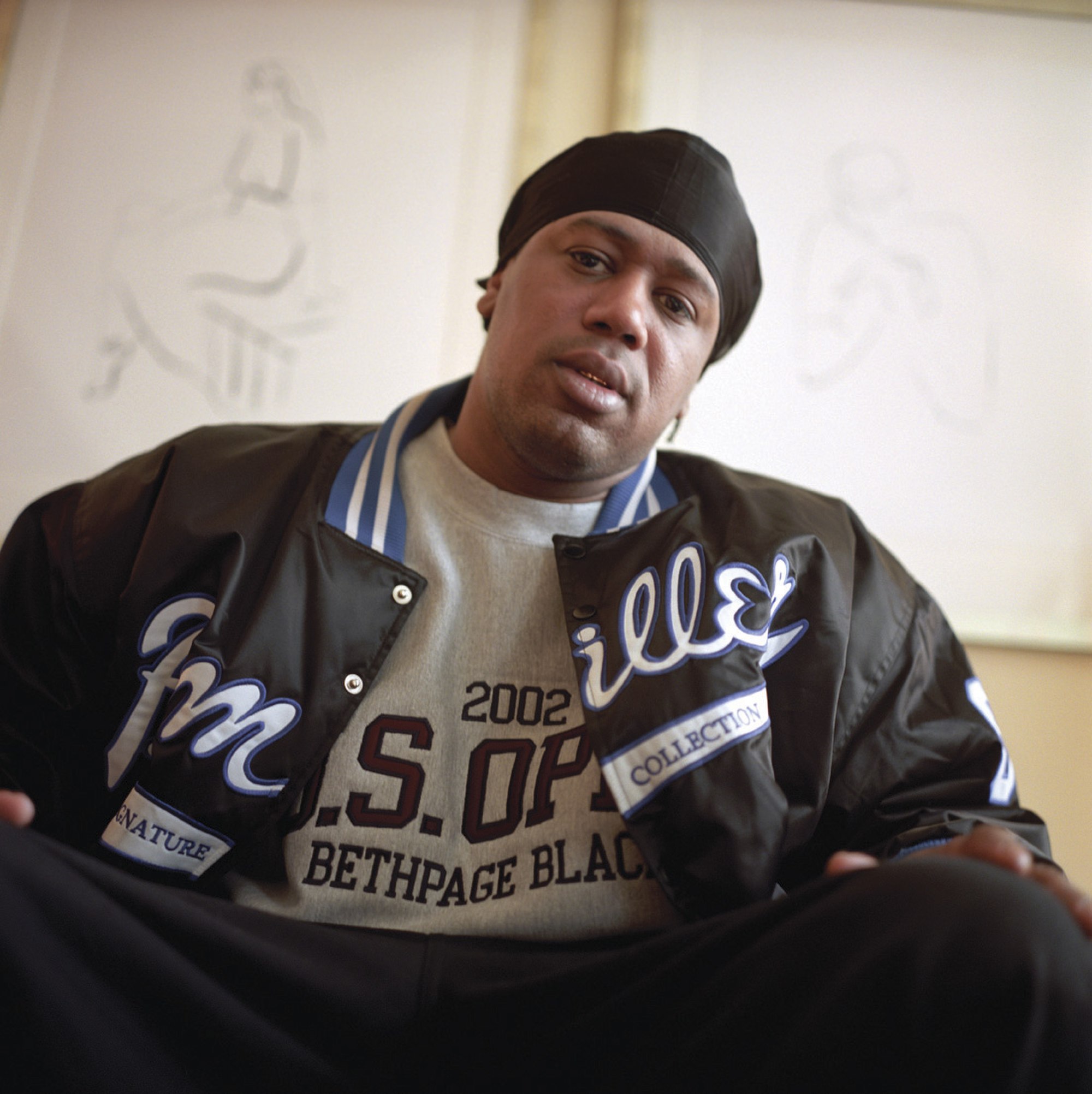
The southern wave of mafioso rap didn’t stop with Scarface. In the late nineties and early 2000s, Master P’s No Limit Records built an empire on the mob boss aesthetic. From its militaristic branding, to the blinged-out album covers by Pen and Pixel Graphics, the image was one of organisation and untouchability. Young Bleed’s My Balls and My Word embodied this style with repeated mafioso references over sparse but ominous southern production. Master P himself played the role of the business kingpin on albums like MP da Last Don, expanding mafioso rap’s focus to empire building, a blueprint Jay-Z would use in the branding of his own label, Roc-A-Fella.
In the 2000s and 2010s, mafioso rap mostly died off in the east coast, but still had some representation in the southern scene. The gritty realism of Scarface's portrayal bled into Kevin Gates' "southern pain" aesthetic and the opulent lifestyles of the No Limit crew must have been a huge influence on the slick production and high-class lyricism of Rick Ross. Even artists like Future would dip their toes into a mainstream version of the scene with songs like 'Tony Montana'.
While mafioso rap’s public image is dominated by east coast icons, the south’s contributions helped solidify its foundations and gave it depth it otherwise might not have had. Scarface gave the genre psychological weight, No Limit expanded it into a model of self-made empire, and artists like Rick Ross and Kevin Gates kept it alive in the new millennium. Just like Andre 3000 said at the 1995 Source Awards, the south had something to say, so don't overlook it.
Comments
Powered by DisqusComments are provided by Disqus.