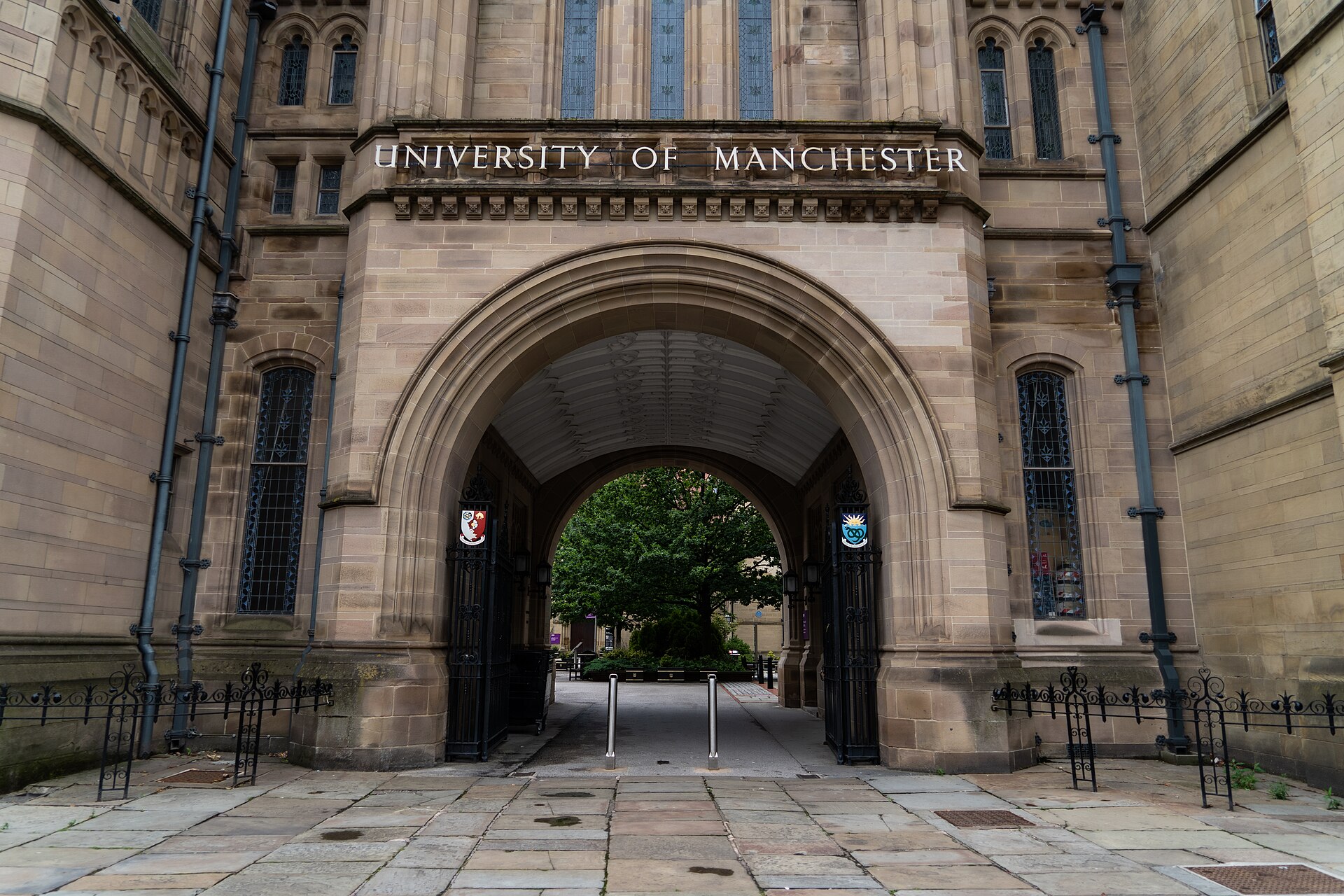
The University of Manchester has announced that all undergraduate degree programs will now offer a work experience component.
Vice-Chancellor Duncan Ivison has said that he wants to give students the opportunity to "put their learning in context [through] internships, placements, joint projects or exchanges” during the summer after exam season. Many students already seek out placements and internships independently over the summer break, although opportunities can be few and far between.
Recent reports of a decline in entry-level roles have heightened concerns about graduate employability, making early work experience increasingly important for those entering the job market directly after university. The university's plan to work more closely with employers is expected to strengthen industry links and expand access to practical opportunities for students.
However, many details still need to be clarified, especially regarding the scheme's feasibility and financial backing. Nick Hillman, the director of the Higher Education Policy Institute, emphasised that many students already take on extra work alongside their studies to fund the rising cost of university life.
According to The Student Academic Experience Survey 2025, 68% of students are in part-time employment, often driven by a need to "supplement living costs". Taking on a placement or extra work experience may mean juggling two major commitments alongside studying, potentially impacting students' academic commitments; the survey highlights the correlation between the decrease in independent study hours (since 2021) against the rise of students in part-time employment.
With plans to support around 30,000 undergraduates, it is unlikely that all placements will be possible in the Manchester area, so students may look nationally or even internationally, which could introduce additional costs. Financial feasibility remains at the forefront of students' minds, with around 88% of students having "financial anxiety" when it comes to university life.
There are already some schemes in place that provide financial aid to students.
Many undergraduate programs already include a built-in placement programme between the 2nd and 3rd year, where students can choose to take a year out of their degree to work. During these placements, tuition fees are reduced, but students are expected to cover their own living fees from their salary. Students can still apply for a reduced maintenance loan and get up to £250 from the university's 'Work Experience Bursary'.
Students with disabilities may also face additional challenges when undertaking work experience, potentially requiring further adjustments or support from the University of Manchester's dedicated service (DASS), which currently supports 19% of the student population with practical assistance during term-time and exam season.
Nonetheless, the DASS website does not provide specific information about the help available to students who choose to undertake placements. With an entire cohort of undergraduates to accommodate, discussion has sparked online on what measures will be in place to support students during the new work experience opportunity.
Comments
Powered by DisqusComments are provided by Disqus.