
When people think of participating in clinical trials, they might think of the term ‘human guinea pig’, and being prodded and poked by scientists in white lab coats. This is probably why so many are hesitant to sign up and partake in research, partly because of the fear of not knowing what happens in a clinical trial, and partly because people do not believe that these trials will help them in any way.
The ‘Be Part of Research’ campaign is here to challenge that viewpoint, and make research even more accessible and useful for everyone.
Launched by the National Institute for Health and Care Research (NIHR), this campaign focuses on getting young people involved in current research and encourages them to use their influence over the direction of future health and care research.
Clinical trials are an important fixture in scientific advancement, and without them, we would not have the drugs and methods that are vital for the treatment of common diseases today.
Why recruit young adults?
Up to 45% of young people have a long-term mental or physical health condition, yet only 4% of young people are participating in clinical trials that aim to find ways to help with these conditions.
Safety and accuracy in treatments and diagnostic tools are of paramount importance in healthcare, and without the inclusion of all demographics and minorities, research can be severely limited in how it can help everyone. The burdens on the NHS keep piling up, but by getting more people involved in research, we can focus on finding ways to prevent diseases, and reduce health inequality for all.
“There is a common misconception that you need to have a health condition to participate in trials,” explained Jo Lawton, NIHR Deputy Director of Research Inclusion, and she further said that: “Everyone can take part in research which will contribute to both you and those around you.”
Amber’s story
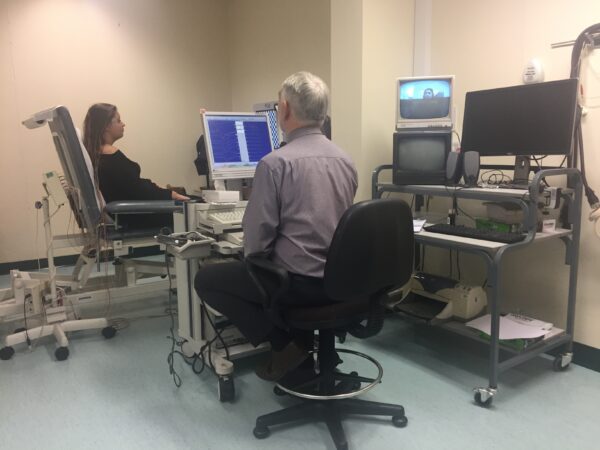
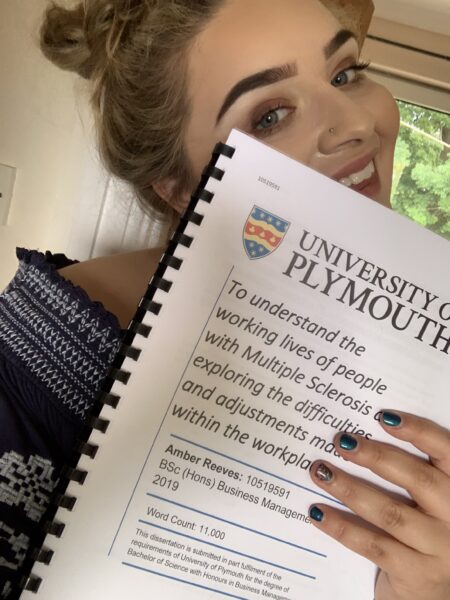
Amber was on placement in university when she had a sudden onset of serious symptoms, which eventually resulted in a diagnosis of multiple sclerosis (MS). Her diagnosis letter mentioned a research study for a new drug to help treat the symptoms of MS, and she decided to take a chance and sign up as a candidate.
Amber wanted to help those also in her situation, and hoped that her contributions to research would mean that others would not have to experience the same fear and uncertainty that she did.
Credit: NIHR
She was the 15th person to receive this new treatment, Ocrelizumab, which is currently the only drug approved to treat active relapsing and early primary progressive forms of MS. MS can be such a life-changing and debilitating condition, but Amber explained that because of the treatment she received, her life has been changed for the better. She has been able to get a job and her own house, and says she leads a relatively normal life.
Amber said, “I was actually sad when the research study finished, because I had the most amazing experience of being looked after.”
Every step of the study was explained to her, and she had lots of support from the hospital and was closely monitored during the trial. She said, “The MS team went above and beyond— I had a shoulder to cry on, someone to celebrate with (and they) helped me even when my issues weren’t related to my MS treatment.”
Credit: NIHR
Amber is still receiving Ocrelizumab, and she has not had an MS relapse for 8 years, which shows just how important and impactful these kinds of treatments can be.
How can you get involved?
Not all research’s purpose is to find a cure— answering questions about how diseases develop is just as important in preventing conditions as well as treating them. This campaign puts the control of future research into your hands, and provides opportunities to be a part of the solution for so many debilitating diseases and health problems.
Everyone deserves the chance to learn about various health conditions, whether they impact you personally or not, and contribute to the ever-developing diversity of research that is available.
To find out more, go to the Be Part of Research website and have a look at the hundreds of studies that are currently being run.
You could be a part of something that changes someone’s life.
Visit the Be Part of Research website to learn more about research, search for opportunities and sign up to be contacted about studies that interest you.
Comments
Powered by DisqusComments are provided by Disqus.