It’s been a strange November for the Democrats.
The month started with a series of victories across the country. Zohran Mamdani claimed the New York mayorship under the party’s banner, defeating establishment Democrat but independent candidate Cuomo. More moderate Democrats Spanberger and Sherrill won gubernatorial races in New Jersey and Virginia respectively, and California passed a redistricting law affording the party more congressional seats. Throw in Democrat Katie Wilson’s win against Democrat Bruce Harrell in Seattle’s mayorship race for good measure, and the party seemed to be setting itself on track after years of dwindling energy and increasing discontent.
No sooner had the dust settled on these victories than seven Senate Democrats and a Democrat-aligned independent crossed the aisle and voted with Republicans to end a 43-day government shutdown. The shutdown, arising from Congress’ inability to agree on a budget, had been devastating for Republicans’ popularity, as federal workers across the country blamed the incumbent party for missed paychecks and furloughs.
But amidst Trump’s approval numbers plummeting, Democrats heroically snatched defeat from the jaws of victory, passing a budget without subsidies for the Affordable Care Act, the key policy that the shutdown had revolved around. Agreeing to a deal originally offered a month earlier, the party appeared to concede unnecessarily, and acquiesced to the further march of Republican welfare cuts.
Then House Democrats released emails potentially implicating Trump in the ongoing Jeffrey Epstein sex trafficking case. And here we are.
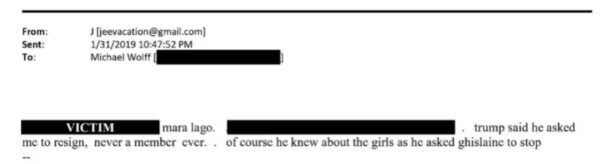
Emails released by House Democrats suggest that Trump "knew about the girls", in Epstein's words. Credit @ House Oversight Committee
For now, the focus has shifted onto the Republicans, who are currently reversing months spent downplaying the Epstein case, and disassociating themselves from efforts to keep the information private. But as the bill to release the “Epstein files” races near-unanimously through Congress, the Democrats too have some soul-searching to do. The party is in flux, as status-quo politics have proved both unpopular and impossible in this new political paradigm. But following the current standout Democrat efforts would take a party reorganisation at a scale and speed almost unheard of in Western democracies.
Undoubtedly, the party’s rising star is Mamdani. Running on an expansive welfare platform, invoking class politics and targeting the rich, the 34-year-old rallied progressives across the world behind his campaign. But support amongst establishment Democrats was lukewarm. The upset over Cuomo in the primary rattled Washington, with Democrats largely holding off on endorsing Mamdani until the election’s final days, not endorsing him at all, or outright endorsing Cuomo - an endorsement shared by many Republicans, President Trump included.
Many see Mamdani as offering energy, direction and combativeness to a party often perceived as milquetoast and uninspiring. Even where more moderate candidates won, the uncompromisingly progressive, economics-first rhetoric that Mamdani championed became a staple across races. Furthermore, aggression from the party, whether in California’s redistricting or in the targeted email release, has successfully disoriented the Republicans, with the Epstein pursuit rupturing the MAGA movement overnight.

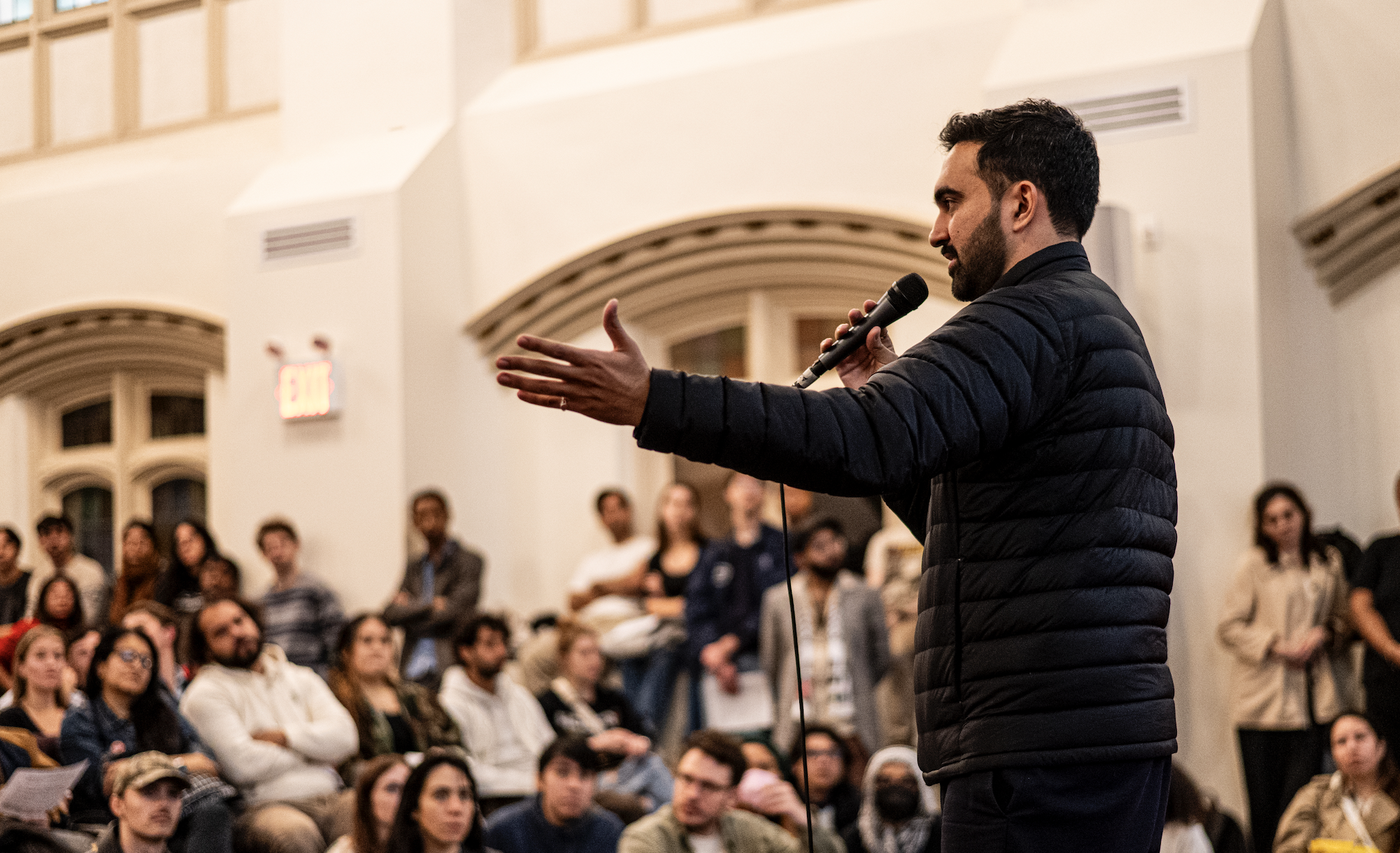
Mamdani speaking at a DSA event in NYC. Credit: Bingjiefu He @ Wikimedia Commons
Yet a fundamental contradiction in the Democratic party is holding them back. The voter base is looking for a progressive movement to rival the right. Insurgent newcomers and established politicians alike have channelled this energy and won. But the top of the party remains more committed to conciliation and corporate politics than to progressive change. From Biden promising billionaire donors during his campaign that “nothing would fundamentally change” under his presidency to Harris canvassing with Republicans, to minority leader Schumer’s entwinement with Wall Street, top-level Democrats remain attached to neoliberal capitalism, and have not caught up to the changing moods beneath them.
Senate Democrats folding, and allowing for a further rightward shift, is therefore not unexpected. Trump’s Big Beautiful Bill passed through Congress with ease, a looming March shutdown threat was ultimately abandoned, and even AOC hasn't broken with the party’s support for Israel. The party's commitment to maintaining status-quo economic relations runs deep, and shaking it would uproot corporate relationships, alienate a still-sizeable chunk of the party’s base, and demand a U-turn from established centrists in positions of power.
Still, if November is anything to go by, this route might be the party’s only shot of holding onto relevance. Time will tell if they can take it.
Comments
Powered by DisqusComments are provided by Disqus.