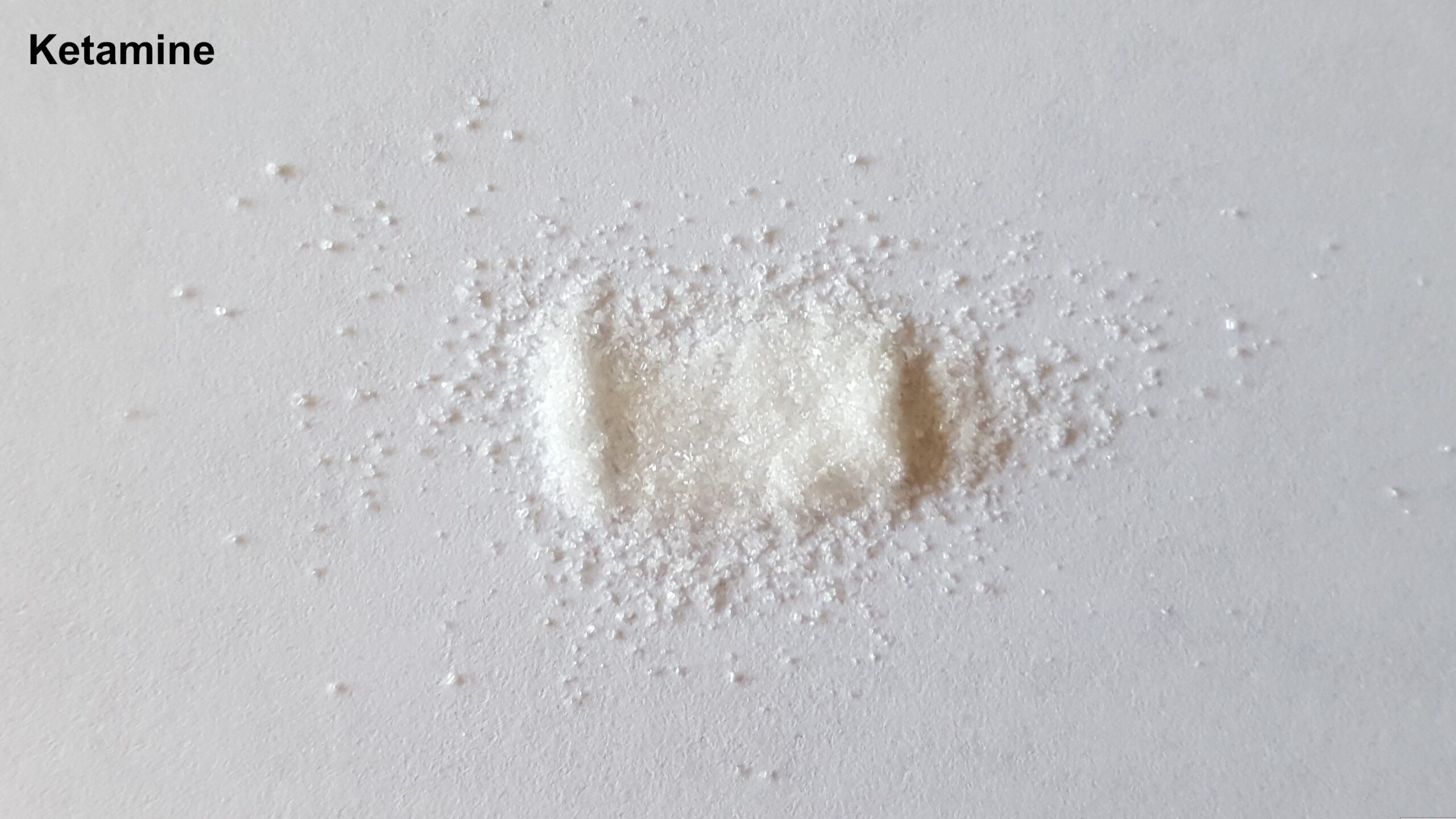
MANDRAKE, Manchester Metropolitan University’s Drug Analysis and Knowledge Exchange service, has issued an alert after detecting the veterinary sedative medetomidine in ketamine samples.
The warning was shared publicly via MANDRAKE’s official Twitter account.

Credit: Twitter @ MANDRAKE_LAB
This is the second major alert from the service in the past year. In 2024, MANDRAKE identified ketamine adulterated with xylazine, at what it described as “alarmingly high” concentrations. The team is again urging drug users to access free, anonymous drug-testing kits available through the Students’ Union or through Eclypse, a confidential drug and alcohol service for young people.
According to MANDRAKE, medetomidine is around 200 times more potent and longer-lasting than xylazine. It is not an opioid, meaning naloxone cannot reverse its effects.
The service advises calling 999 immediately if someone becomes unconscious, placing them in the recovery position, keeping their airway clear, and monitoring their breathing, rather than attempting to wake them.
Data from MMU GM Trends shows that one in eight UK undergraduates reported taking ketamine in the past month, and one in four had used it within the previous year.
A 2024 survey by The Tab of 6,000 students found that the University of Manchester had the highest reported rates of illegal drug use, with 90% of respondents admitting to taking illicit substances. The University also recorded the highest reported use of cocaine, MDMA and ketamine.
With ketamine use continuing to rise, both the University of Manchester (UoM) and Manchester Metropolitan University (MMU) offer confidential drug-testing services and student support.
UoM also encourages students to use its SafeZone appto contact Campus Support and Security in emergencies, stressing that students will not get in trouble with the security team.
Further information and support on drug and alcohol use is available through Talk to FRANK.
Comments
Powered by DisqusComments are provided by Disqus.