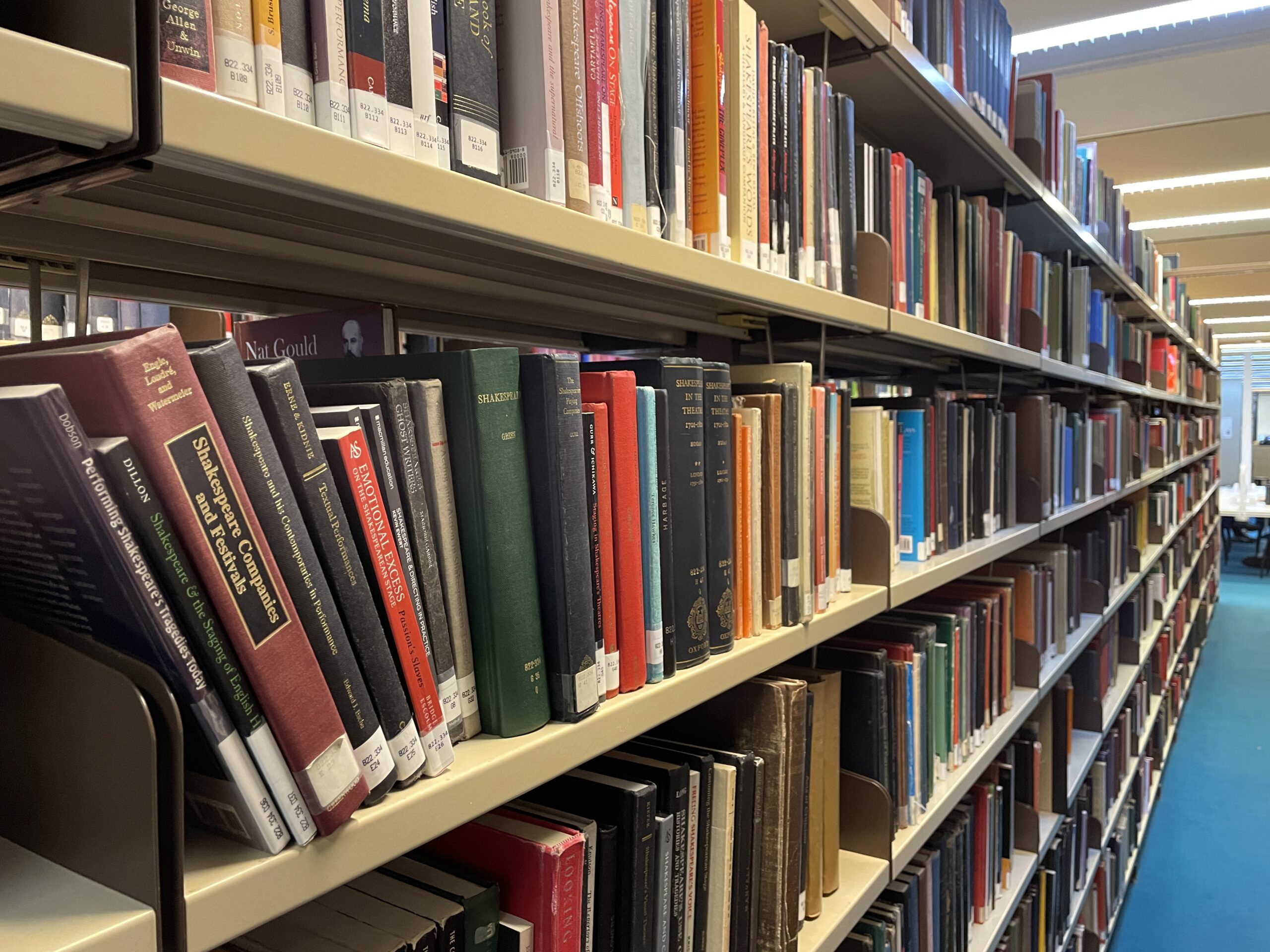
More than a third of the University of Manchester’s physical book collection has never been borrowed by students or staff, according to a Freedom of Information request submitted by The Mancunion.
Out of the almost 750,000 books across the University’s libraries, 255,850 books have not been checked out once since being added to the system. The findings include books catalogued from 2013 onwards.
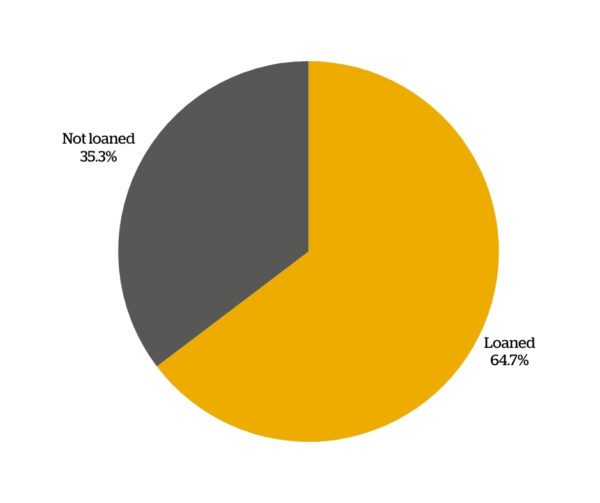
Total book holdings of the University. Credit: Jacob Robinson @ The Mancunion.
The data is from four of the University’s libraries: the Art & Archaeology Library, the Stopford Student Hub and Library, the Eddie Davies Library in the Alliance Manchester Business School and the Main Library.
The Main Library makes up approximately 93% of the University’s total physical book holdings, at 674,532 books. Of these, 68% of its books have left the library doors.
At 98%, The Art & Archaeology Library has the highest proportion of unloaned books. This is because it houses primarily reference materials, which are only loaned over weekends.
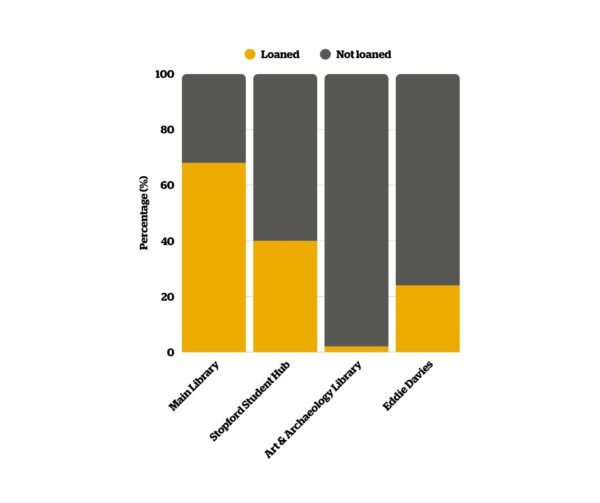
Loaned vs not loaned books in four of the University's libraries. Credit: Jacob Robinson @ The Mancunion.
The Stopford Student Hub and Library houses the smallest number of books, with only 115 books on its shelves. Most items are reference material or have been newly added.
The findings come as the University continues efforts to modernise its study spaces. Over the summer, key refurbishments were undertaken in the Main Library, with upgrades to the toilets in the Blue stairwell, additional toilets, as well as an update to the cosy campus space. The Stopford Student Hub was refreshed to improve student facilities as well, with a wider range of seating and clearer defined study areas.
Comments
Powered by DisqusComments are provided by Disqus.