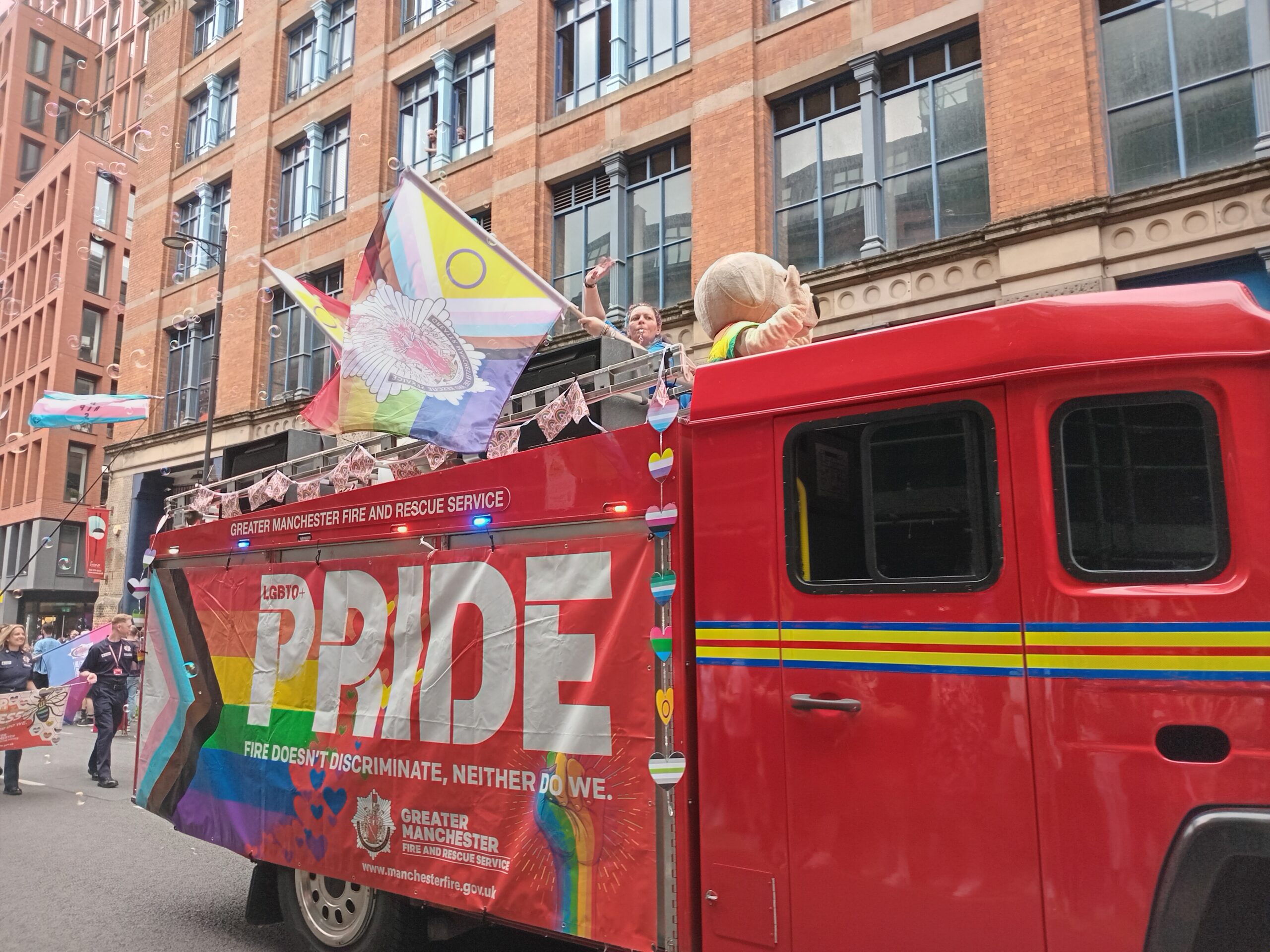
In a statement released by the Board of Trustees of Manchester Pride, the charity confirmed that it could no longer remain financially viable despite efforts to restructure and secure new sources of income. The move marks the end of more than two decades of Pride events under the Manchester Pride organisation - an institution that has been both a cultural highlight and a symbol of queer visibility in the city.
According to the Board, the organisation faced a “combination of rising costs, declining ticket sales and an ambitious refresh of the format,” making Pride no longer ‘financially viable’ . The charity cited ongoing pressures in the events and hospitality sectors, which have seen higher venue costs, security fees, and insurance rates since the Covid-19 pandemic.
An unsuccessful bid to host EuroPride reportedly compounded the financial shortfall, while attempts to modernise the festival, including the introduction of the new “Mardi Gras Stage” at Mayfield Depot, failed to draw crowds. Many attendees complained of high ticket prices and questioned whether Pride was becoming too commercialised.
The liquidation has left a number of artists, performers, and contractors unpaid for their work at the 2024 festival. Among them is RuPaul’s Drag Race UK star Banksie, who claimed they are owed over £3,000 in unpaid invoices. Seventeen other creatives who collaborated on events have also been left without payment.
“The vast majority of us feel cheated, lied to, and scammed,” Banksie shared in an article for Metro. “I would not have made it into the world of showbiz without my Manchester community building me up - and now I feel responsible for the unpaid bills of my colleagues and friends.”
The Board of Trustees said details of creditors and artists owed money have now been passed to appointed liquidators, who will handle the charity’s remaining affairs.
Manchester Pride has faced scrutiny in recent years over its direction and finances. Manchester Pride received public backlash in 2021 when they stopped funding the George House Trust (GHT), the local HIV charity, and has since attempted to rebuild trust. Critics accused the organisation of prioritising profits and celebrity line-ups over community engagement, while grassroots groups argued that the festival had drifted away from its activist roots. Big-name acts like Zara Larsson and Sigala headlined the main stage, causing local artists to feel sidelined, and many questioned where ticket revenue was going. Some LGBTQ+ activists launched the hashtag #WhereIsOurMoney, calling for transparency over Pride’s finances.
Despite the collapse, Manchester Pride leaves behind a significant cultural and economic legacy. Since its inception, the event has generated over £104 million in economic impact for the city and supported 148 grassroots community grants.
In their closing statement, the Board expressed deep regret over the situation:
“We had hoped to be able to find a way to continue, and most importantly, to support our artists, contractors and partners. Despite our best efforts, this has not proved possible.”
All remaining staff have now been made redundant, marking the end of an era for one of Britain’s largest and most influential Pride organisations.
Manchester Council's leader, Bev Craig, said they had tried to do 'everything we could' to support the organisation, but realised it 'had become unsustainable'. Manchester Evening News reports that the council has promised it will work on ensuring the event continues next year.
Mayor of Greater Manchester Andy Burnham claims:
'There will be a Manchester Pride next year and maybe it will galvanise an even greater event.”
As Banksie put it:
"We can make Pride what it was always supposed to be, a collection of queer life in our city. And protest for the things we need to change locally and globally."
Comments
Powered by DisqusComments are provided by Disqus.