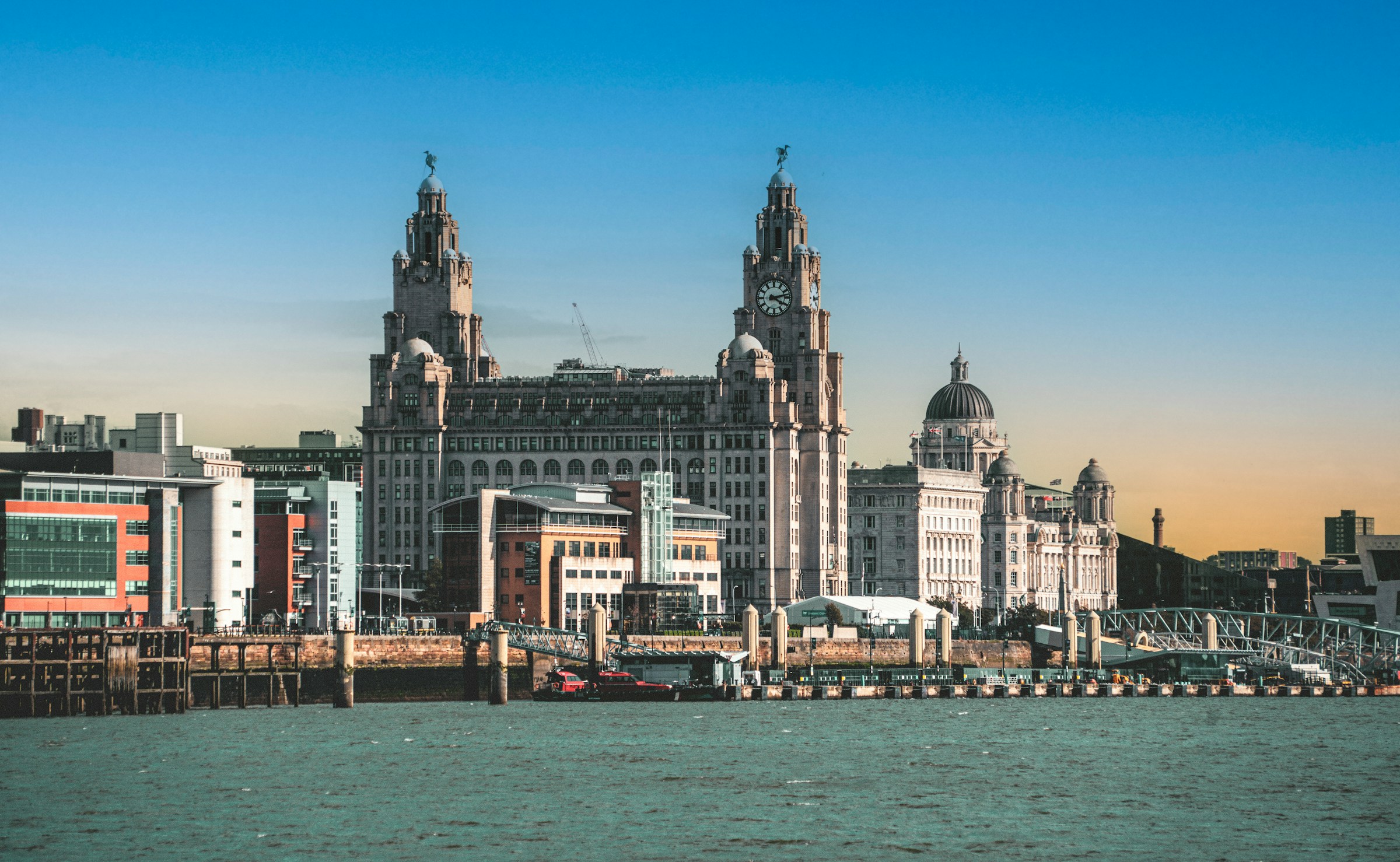
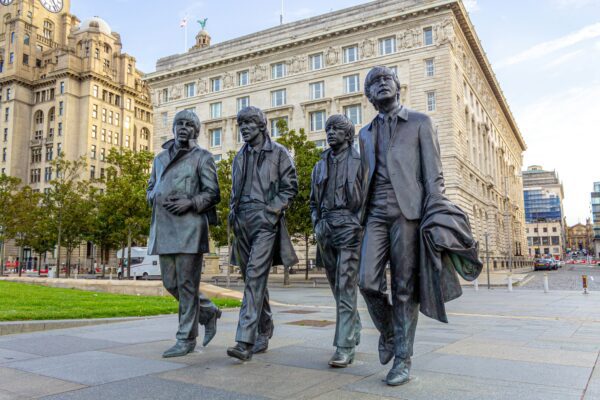
Liverpool has always been a city known for its multitude of chart-topping music, with a distinctive sound that has resonated for generations. From the post-war boom of the 1960s to the dominance of The Beatles, music has been at the heart of the city's identity. What was previously only thought of as an industrial port town became one of the most iconic cities in the UK. Merseybeat cemented Liverpool's legacy – an eclectic fusion of rock and roll, pop, skiffle, and R&B – but now a new wave of urban music is reshaping the scene.
Credit: Neil Martin @ Unsplash
The decades that followed secured Liverpool’s reputation: amid the Toxteth riots of 1981, iconic groups like Frankie Goes to Hollywood and The La’s rose to fame; nineties Britpop introduced the electronic band The KLF, and girl-group trio Atomic Kitten also made their name. The 2000s gave us indie bands The Zutons and The Wombats, both still alive today. Dance music duo Camelphat rose to fame in the early 2010s, with tracks like 'Cola' going viral on TikTok.
Liverpool’s diverse scene offers something for everyone. The city hosts a rich mix of venues, from intimate Camp & Furnace club nights to Liverpool Philharmonic Hall’s classical orchestral ensembles. M&S Bank Arena has brought global names like Beyoncé, Coldplay, Foo Fighters, and Oasis to the city. Local festivals such as Creamfields and On The Waterfront underline the city’s status as a musical hub, and, with three universities and a student population of around 60,000, music is woven into the city’s core.
Beyond mainstream successes, a new wave of hyper-local sound has begun to define Liverpool’s music identity: Scouse rap. In recent years, artists such as Mazza L20, Vinny, Young LS, and EsDeeKid have gained popularity on social media platforms including TikTok and YouTube.
As anyone will attest, the Scouse accent is unique and different to much else on the UK drill scene. Elongated 'r's, harsh 'c's, and the unmistakable Liverpool cadence make the sound immediately identifiable, offering a distinct listening experience from the London-dominated hip-hop industry. Despite this, Scouse rap is underrepresented in national media compared to the more popular London drill.

Credit: Victor Rodvang @ Unsplash
The tracks are rooted in the gritty reality of growing up in working class urban communities, yet they’re laced with hometown pride. Scouse rap is becoming a movement to pay attention to, with EsDeeKid in particular growing in popularity at a rapid pace, amassing almost five million monthly listeners on Spotify. Scouse rappers tend to focus on street culture, delivered by brooding sound and clever lyricism, which young people can identify with.
Crime is a recurring theme – Mazza L20’s 'Murdaside', recorded while serving an eight-year prison sentence for firearm possession, is one of the most well-known tracks of the scene. However, this provides a basis for criticism. Critics say this reinforces stereotypes about Merseyside, pointing to rough reputations. The overly-violent content of the tracks is perhaps the reason why this regional rap movement isn’t as widespread as its London counterpart, but also adds a much-needed social commentary over the real day-to-day inner-city life. Instead, these tracks mirror systemic issues like poverty, which may otherwise be overlooked in mainstream culture.
Unlike the UK drill scene that evolved from Chicago’s original, smoother sound, Scouse rap has adopted a harsher beat and rhythm. It’s raw, direct, and unapologetically local.
Hyper-local music matters now more than ever because it resists cultural flattening. In a world where social media and trends seem to make everyone sound the same, Scouse rap reminds us that music belongs to a place and reinforces community and identity.
Liverpool continues its legacy of longstanding innovation in the music industry – a city that has always reflected the voices and culture of its people. From well-loved icons such as The Beatles, to new-and-upcoming artists in the drill scene, Liverpool proves that powerful music isn’t global – it’s local.
Comments
Powered by DisqusComments are provided by Disqus.