I’ll be the first to hold up my hand up and say: I miss the days of 2-for-£5 bottles of wine at New Zealand Wines. Sure, the wine tasted like vinegar in disguise but it was cheap, and that’s all that mattered.
After my year abroad in France, I’m struggling to adjust to the harsh reality that cheap wine here isn’t quite the same. €3 would score you a decent glass. Here? The cheapest average price is £5.17 – and it doesn’t always taste worth the splurge. For most of us, price is the biggest pull when buying a bottle. We want value, even if that value sometimes comes in the form of tasting like an early hangover. But, maybe there’s been an occasion when you’ve wanted to understand more about why a glass of wine tastes the way it does.
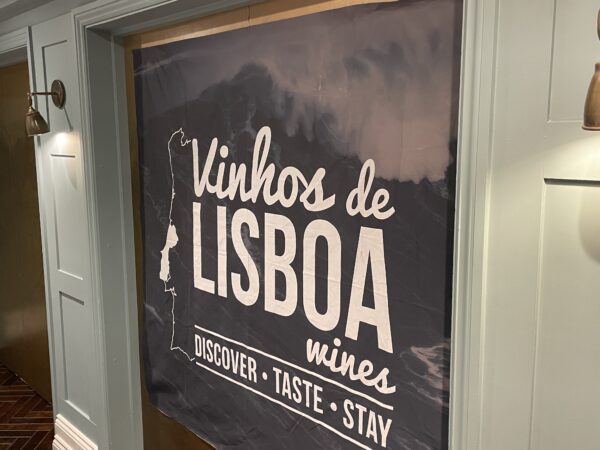
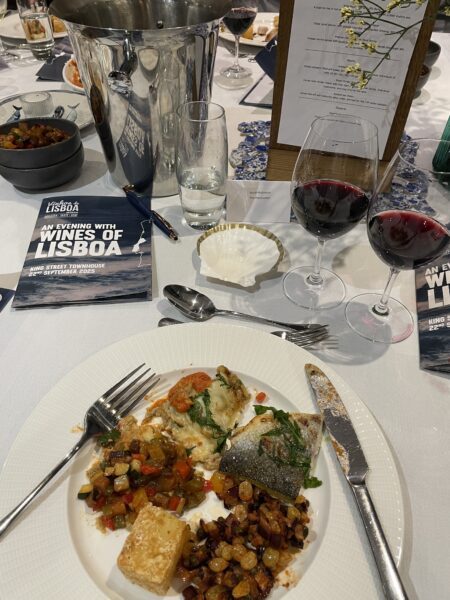
That was my experience when The Mancunion was invited to a special evening hosted by Wines of Lisboa – a curated food and wine tasting and dinner to celebrate the rich flavours and winemaking heritage from Portugal’s Lisboa wine region.
Credit: Jacob Robinson @ The Mancunion
Before the evening, I couldn’t have told you how to taste wine properly, let alone about Portuguese winemaking. I knew that a wine was dry or sweet from tasting it, and that a pale colour often means it will have a lighter taste. By the end of the evening, I came away feeling a lot more knowledgeable. It’s easy to forget there’s more going on in every glass than meets the eye. It’s a story of geography, climate, and culture: all in one bottle.
One major influence on the taste and flavour of a wine is the region where it's produced. Lisboa wines are from a region about 130km North of Lisbon itself, just a 15–20 minute drive from the centre. Portugal is a long and narrow country, which gives it a unique microclimate. Heavily influenced by the country’s proximity to the Atlantic Ocean, the sea breeze creates wines that are fresh, crisp, and balanced. The result: a light, refreshing experience that’s easily drinkable.
In the case of the Lisboa region, winemaking is a hereditary tradition. Many of the wines we tasted over the course of the evening came from estates in the hands of fourth or fifth generation growers. Whilst tradition still matters, a lot of these winemakers are also keen to reach regular consumers at prices that won’t make you wince.
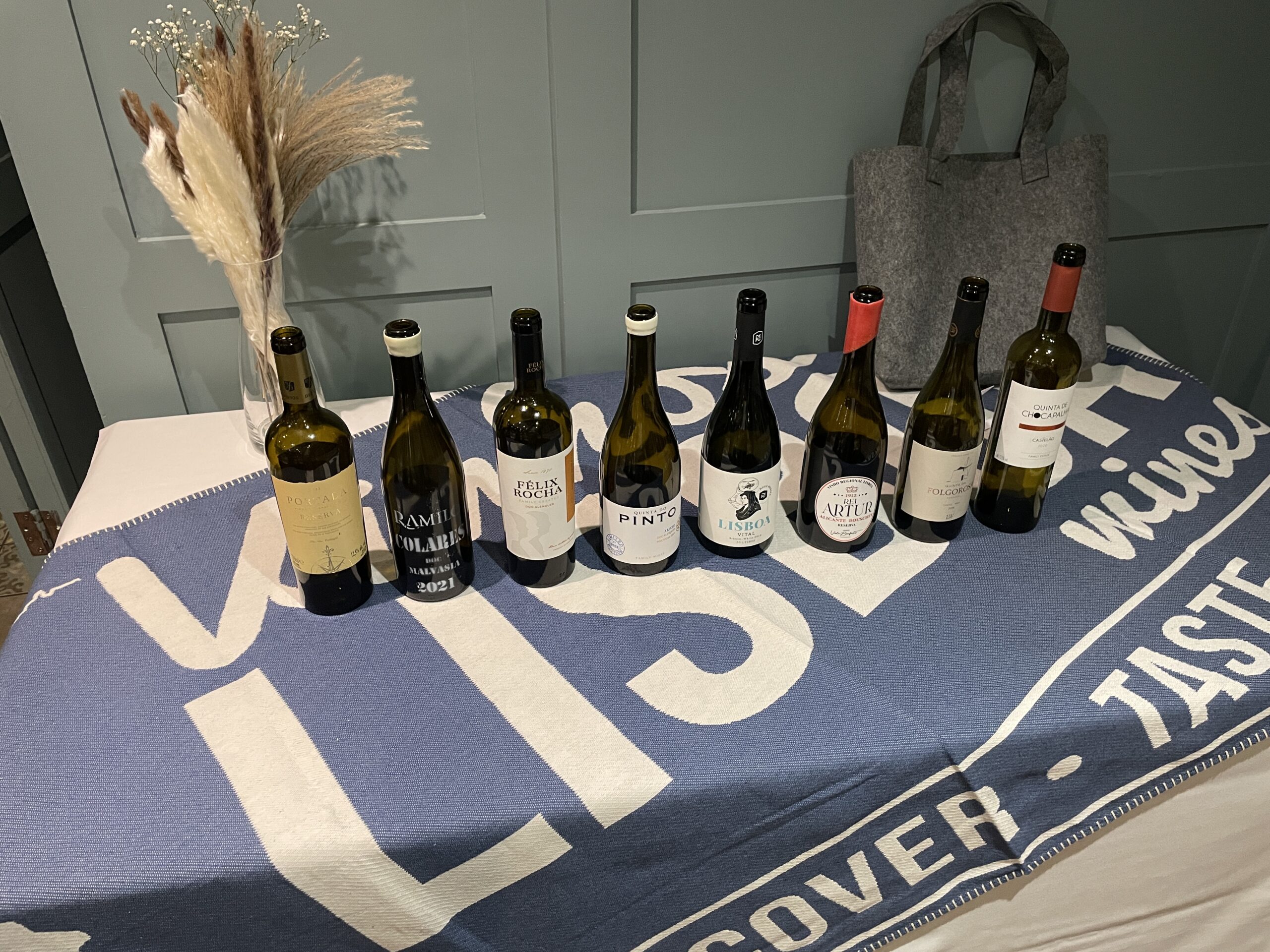
At the event, we tried nine wines from nine producers: six whites, two reds, and a fortified white as a dessert wine. There was a nice variety between the bottles but they shared a common floral and fruity taste. A stand out for me was Ramilo Malvasia 2021, perhaps as it was slightly unusual with an orange flower scent. I normally don't like red wine but the Quinta Da Folgorosa surprised me: well-balanced, fruity, with a subtle spice. The dessert wine was a fun treat, though a bit too sweet for my developing palate.
You don’t just have to fake it with a glass in hand either, with some budgeting, an actual trip is doable. Lisbon as a city consistently ranks among the most affordable city breaks in Europe, coming second in a 2024 Post Office study. With vineyards just a short drive from the city centre, visiting Lisboa’s wine region could be a unique addition to your next itinerary if you’re planning a visit soon, or the perfect way to tempt your parents along.
The evening was also complemented by a screening of an episode from ‘The Lisboa Wine Tour’. The three-part series shines a light on the producers behind the bottles, along with stunning visuals of Portugal’s countryside.
Credit: Jacob Robinson @ The Mancunion
So, what’s the point of all this if we’re still going to be hunting the cheapest bottle in the supermarket? It just made me think differently about wine.
The principle of understanding where something comes from and why it tastes the way it does can be applied to any dish or drink from around the world. After all, food and drink is so deeply tied to culture. It’s about people, place, and history. For Lisboa, it’s about the Atlantic winds shaping a distinct flavour, and the pride of winemakers who have spent generations perfecting it.
I’ll skip the cliché that ‘a good bottle of wine can transport you to another place’. But what I will say is that a little knowledge goes a long way in making wine more fun. Lisboa wines were fresh, approachable, and gave me a new appreciation for something I used to treat as just another supermarket purchase.
Whilst the price tag remains an important factor in my wine purchasing habits, maybe consider looking beyond the cheapest for a special treat or change. It might cost a couple of quid more but trust me: your taste buds (and your head the next morning) will thank you.
Comments
Powered by DisqusComments are provided by Disqus.