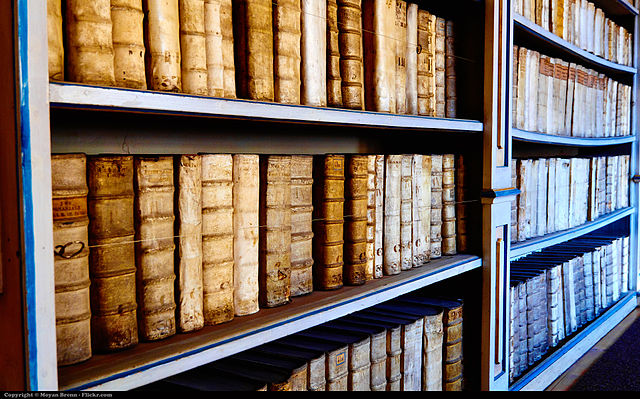
Despite all the latest books coming out, there is a reason why certain names, Mark Twain, Jane Austen, Charles Dickens, Scott Fitzgerald (amongst others) remain some of the most celebrated authors to this day.
Why is this?
Elizabeth Gray writes in the Medium that not only is it the treasurable insight into history, and window into the past they provide us with, but in classic novels lies the ‘ability to capture the essence of the human experience, transcending time and connecting us across generations.’
But how do they do this?
Although a modern-day, rather than classic, author, I have been absolutely obsessed with Tracy Chevalier’s novels this summer. While I have yet to read her most recent work - The Glass Maker (2024) - I loved both the scene setting and relationship descriptions in Girl with a Pearl Earring as well as Remarkable Creatures. Much of her work mirrors that of the classic novels I used to read as a kid… but what is it that’s so gripping about the style of writing that is characteristic of them?
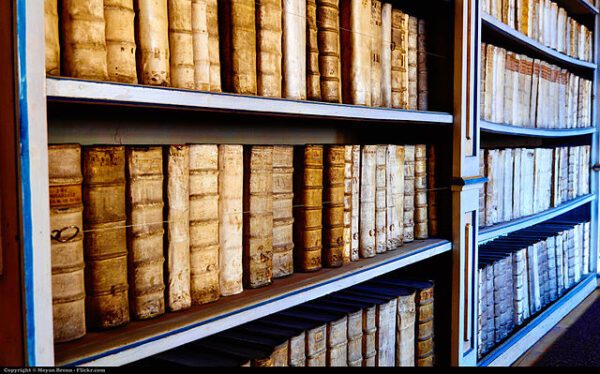
Credit Moyan Brenn @ Wikimedia Commons
Over the summer I spent some time solo travelling in Italy, during which I did a lot of writing. Passing several hours observing my surroundings, people watching and being in the company of my own thoughts, I quickly filled up the pages of my newest journal.
This practice allowed me to be much more present and curious of my surroundings, leading me to an interesting revelation at the Uffizi Gallery in Florence. As I walked through a hallway lined with loud, colourful paintings, I began to think about a completely different era of my life. One when I was much younger, playing tennis, travelling… I even started remembering the canteens at tournaments and memories I hadn’t thought about in years.
At first I thought it was such a random memory, wondering why on earth that had popped into my head. When you’re solo travelling, you’ll find you do just that: spend a lot of time solo. So, during one of my reflective moments, I realised it wasn’t actually random at all. The smell of the paint in that hallway had reminded me of the smell of the paint in the hallways of a tennis academy I used to often visit, for tournaments or training. The mimicking of that sense was so strong that it gave an entire flashback to that period of my life, and the realisation made me marvel at how something so small can evoke such strong emotions and memories.
I had a similar experience at the QC Termine Spa in Milan, where amongst all the saunas and swimming pool rooms, the cool immersive experiences and outdoor loungers, the room that I felt I could spend longest in was the one I called the Tinker Bell room. When I left, I wondered why it was my favourite… because all I did know was that I just felt so calm and peaceful: like I could have stayed for hours.
But it was actually that exact Tinker Bell appeal that made me feel that way. It brought me back to a time of my life that was pure happiness, play, and being in the moment: the best kind of nostalgia; all because the memory of when I watched that movie made me feel like I was that age once again.
So, when I wrote in my journal, I started thinking about what makes a book good. Why is it that I feel so enraptured by novels written decades, or even centuries, prior?
That’s when I realised the importance of connection, emotion; not only feeling like you can understand what the characters feel, but that you know what they feel. That you’ve been there before yourself – that it’s real.
A lot of the best stories are good because so many moments are drawn from real life, with how a writer describes the way people look at each other, the way they laugh, or conveys feelings and emotions.
People mistake many classics for being ‘boring’ because they see them as overly descriptive, but I would say it's the quality of that description that makes them so enduring.
Tracy Chevalier books do not have loads going on, but you really feel like you are transported into that time. Her descriptions are incredible, beautiful, and alive all in one.
I think this is why classics, from writers like Twain, live so long. They were able to write so well and evoke so much emotion from readers because of how much they drew from their own lived experiences; and in an era pre-social media, they were much more likely to be present, and really take in their surroundings.
It is also why a lot of the best writers today will go on little trips away to get inspired – it’s certainly how I felt on my travels.
I suppose the main point from this is that time alone, away from the internet, in your own company, can actually be the best time for creativity. Let yourself be bored, embrace having no plans, and see where your mind takes you and what you can see or feel. It might lead you to creating one of your best pieces of work yet.
But, from one bookworm to another, here is a list of novels I strongly recommend you read to get started (and don’t worry, I’m not going to launch in War and Peace by Tolstoy… if you manage that, you are a warrior):
1. Little Women (Louisa May Alcott)
2. The Adventures of Huckleberry Finn (Mark Twain)
3. Girl with a Pearl Earring (Tracey Chevalier)
4. Robinson Crusoe (Daniel Defoe)
5. The Martian Chronicles (Ray Bradbury)
Those are 5 of my recommendations, but for a longer, more comprehensive list, Penguin has also published a 100-must-read classic novels list here.
Comments
Powered by DisqusComments are provided by Disqus.