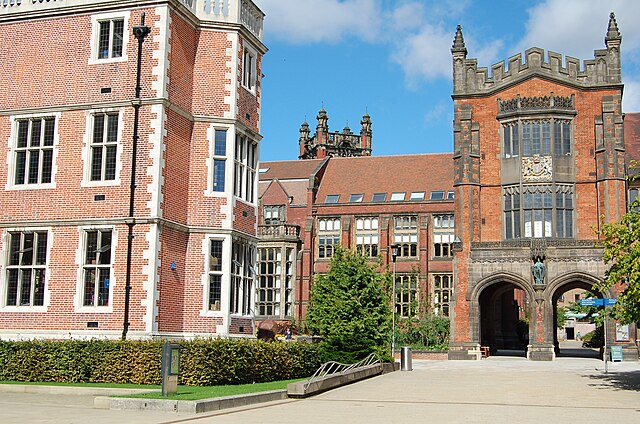
Newcastle University staff are set to strike for two weeks in March. This is in response to job losses following reports of a £35 million deficit. 14 days of strike action will take place over the course of four weeks, beginning 4 March and ending 28 March. 83% of balloted university members supported industrial action, while 88% expressed willingness to take action short of a strike. This decision follows the University's approval of a £20 million cut to its salary budget, equivalent to approximately 300 jobs.
The University and College Union (UCU) stated that Newcastle University staff are engaging in industrial action to, "put pressure on university bosses in negotiations over 300 redundancies". In October 2024, the University implemented several cost-cutting measures. These included suspending pay reviews, halting job promotions, and introducing a voluntary severance programme. Newcastle University has since released a statement on the strike action: "We want to reassure you that our goal is to minimise the impact of any strike action on your educational experience and we have procedures in place to achieve this. Our focus is on fair treatment for all students and maintaining academic standards while enabling you to progress or achieve your awards". Professor Matt Perry, an academic at Newcastle University and a UCU representative said that the proposed cuts at Newcastle University, along with those at Durham and Sunderland, were a "recipe for recession" in North-East England. Other universities, such as Cardiff University, have also revealed plans to strike in March, following budget shortfalls and job losses. Cardiff University is reportedly facing a £31.2 million deficit for the 2023/24 academic year, with 400 staff members already laid off. Almost a quarter of top UK universities are also cutting budgets and reducing staff numbers, potentially resulting in as many as 10,000 redundancies or job losses.
Comments
Powered by DisqusComments are provided by Disqus.