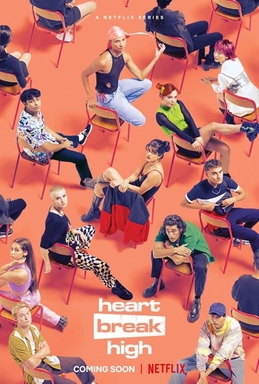
Netflix’s Heartbreak High feels like the representation autistic women have been seeking for so long. Heartbreak High is a high-school dramedy focused on a sex education class – think of the show as Australia’s answer to Sex Education. In Netflix’s reboot of an Australian 90s classic, they appeal to Gen Z by placing a focus on representation. With one of the most diverse casts on television at the moment, the show’s first season drew in audiences with how authentic their approach to representation feels.
Warning! Mild spoilers ahead.
https://www.youtube.com/watch?v=Zj5-uPt8718
The character Quinni (Chloé Hayden) is a fresh take on autistic representation. Season 1 was lauded by many autistic women as it featured a queer, autistic girl part of the main cast. By spotlighting this character's experience, Heartbreak High sets a positive representation for autistic people to find themselves in.
We watch, for example, as Quinni experiences sensory overload as she attempts to focus on the conversation from her date Sasha (Gemma Chua-Tran). The show frames this through her eyes, with the camera zoning in on sensory input as she gets more overwhelmed.
Or when Sasha later learns about Quinni’s diagnosis and says "but… you’re really emotionally intelligent.” This plays into a stereotype around autism being a lack of empathy or expression - something Quinni's character directly challenges. She is unapologetically vibrant and kind. Quinni’s character breaks the autistic archetype. Heartbreak High builds an autistic character that is complex and nuanced, unlike other autistic characters in media.
The autistic archetype
Credit: Atypical @ Netflix
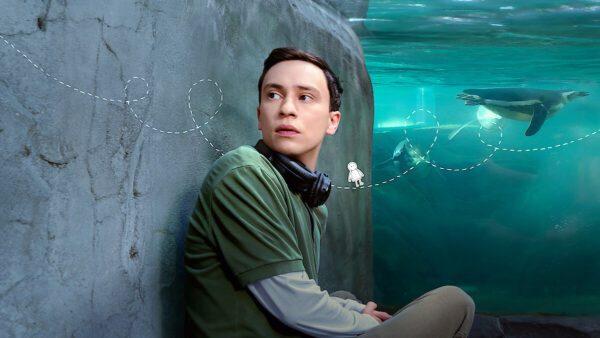
Rain Man is still cited for autism representation today despite having no input from actual disabled people. The Big Bang Theory pushed the idea that all autistic people are savants even further, and Atypical is not much better. All these portrayals were played by neurotypical actors, making them feel like more of a caricature. These pieces of media have helped create a certain image of autism: a straight, white man who excels in something nerdy.
Quinni is far from this archetype. Played by an autistic actress, her portrayal feels incredibly personal. As Chloé Hayden told Refinery29 Australia, "I think it was written by people who lived the experience… It's really obvious when you have a look at shows that try to promote and showcase diversity but wasn't written by someone with the story to tell."
Quinni and the limits of representation
Credit: HEARTBREAK HIGH @ Netflix
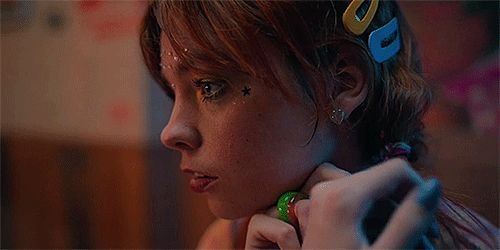
But Heartbreak High’s second season feels like a step backwards. Quinni becomes more of a plot device than a character. For the entire first half of the new season, she is a secondary character in the story of her neurotypical peers, only appearing to give the occasional ‘autistic quip’ by being too blunt or too literal.
Some elements of autism are explored, such as Quinni's feelings of rejection as she becomes abandoned by her friends. However, the way she responds to these challenges feels completely inauthentic to her character as she becomes cold and alienated.
It feels strange that the show no longer explores Quinni’s rich inner world when this had previously been the cornerstone of her character. Instead, the showrunners chose to ignore and neglect her story. Season 2 seems to show a lack of care towards her arc. For audiences who previously felt seen in her character, this is incredibly disappointing.
Heartbreak High’s third and final season has been confirmed by Netflix, so hopefully a stronger storyline is in the works for Quinni. Nevertheless, Heartbreak High’s success shows that telling diverse narratives can draw in an audience while making TV more representative.
Comments
Powered by DisqusComments are provided by Disqus.